
The typical American wedding is steeped in history and includes several long-standing traditions couples dutifully perform without thinking twice. After all, it’s tradition. But where did those traditions originate? Enquiring minds may want to know: “Why should the bride have something old, new, borrowed, and blue?” “How did the bouquet toss come about?” And, “What’s with the groom carrying the bride over the threshold of their home?”
The wedding experts at Flora D’Amore answer these questions, and more, as we take a deep dive into the history of popular wedding traditions couples have been performing for hundreds of years. Prepare to be surprised and amused, and fully aware of the significance behind certain wedding traditions which you yourself may have taken part in, or will someday soon.

Common Wedding Traditions Explained

Why Do Marriage Proposals Include Engagement Rings?
Engagement bands can be traced back to ancient Egypt. The Egyptian people considered the circle a symbol of eternity and exchanged wedding rings to symbolize their eternal love for each other. In ancient Rome, men gave a gold ring to their intended bride as a sign she could be trusted with his property and was contractually bound to marry him. He would wear a gold band as well. The modern engagement ring adorned with a diamond didn’t become customary until 1947, when De Beers launched its highly successful “A diamond is forever” marketing campaign.
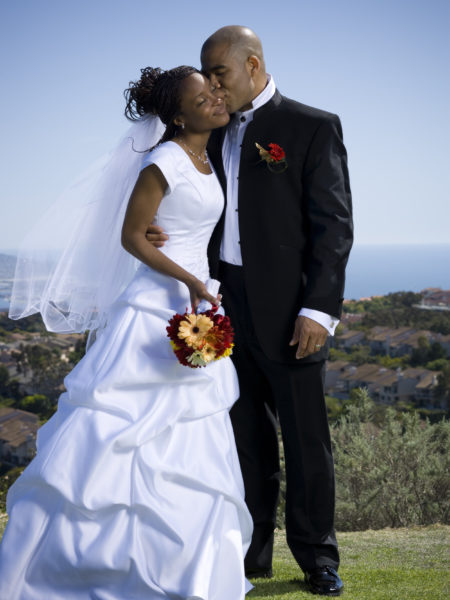
Why is the Wedding Dress White?
It wasn’t until 1840, when Queen Victoria of England wore a white wedding dress to marry Prince Albert, that the white wedding dress fashion trend became a tradition. The color symbolism was relevant, as white symbolizes purity, virtue, and devotion — all traits a proper bride should have. The white bridal gown, with its associated symbolism, has carried on in modern weddings. Before this, women would wear their finest dress in any color.

Why Must Grooms Not See the Bride Before the Ceremony?
It is considered bad luck for the groom to see his bride on their wedding day before they reach the altar. This tradition harkens back to when arranged marriages were commonplace, and the newly betrothed were not allowed to see each other until the vows were about to be read at the altar. This tradition arose from the family’s fear that the groom might find his bride unattractive, and he would refuse to marry her even after a dowry was given. Therefore, during this time, the groom’s first look at his bride wasn’t until her veil was lifted just prior to the ceremony starting.
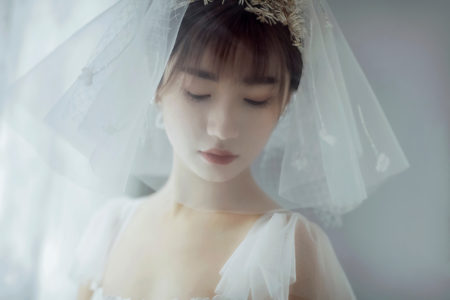
Why Do Brides Wear a Wedding Veil?
Dating back to ancient Rome, brides were wrapped in veils from head to toe to represent that she was a pure, virtuous, and untouched maiden being presented to the groom. Wedding veils covering the bride’s face were also common, worn to shield her identity and happiness from any evil spirits that might ruin her wedding day.

Why Should Brides Have “Something Old, Something New, Something Borrowed, & Something Blue”?
The saying that a bride should wear something old, something new, something borrowed, and something blue comes from an Old English rhyme that lists the good-luck talismans a bride should have on her wedding day. “Something old” was an item that represented the bride’s strong ties to her family and the couple’s past lives. “Something New” was an item that symbolized their happy future together. “Something borrowed” referred to an item belonging to a successful, happily married couple so their good luck would rub off on the bride and groom, and “something blue” represented the bride’s purity, fidelity, and love.

Why Do Grooms Have a Best Man?
The “Best Man” is a custom that comes from the days of swashbuckling, when the groom would request the services of the “best man at sword fighting” to accompany him in making a business transaction for his bride-to-be. If there were angry family members to contend with or a runaway bride, the groomsman and his “best man” were prepared to deal with anyone who did not consent to the union. Having quick access to his sword is another reason why the bride is always positioned to the groom’s left when getting married. If any trouble came about during the ceremony, the groom would be able to quickly grab his sword since his right side would be free.

Why Do Bridesmaids All Dress Alike?
The tradition of several of the bride’s friends wearing similar gowns dates back to ancient Rome. To confuse evil spirits with devious plans of kidnapping or cursing the happy bride, her friends would act as decoys by dressing like the bride to prevent the wicked devils from knowing which one was her. Today, bridesmaids no longer dress to look like the bride but instead wear dresses similar to each other to support the bride and bring her good luck.

Why Does the Bride Carry a Bouquet of Flowers?
Brides have carried bridal bouquets in marriage ceremonies since ancient Greek and Roman times. Rather than bouquets of large, lavish blooms, which we often see at today’s weddings, in ancient times it was customary to carry bouquets of herbs, spices, dill, and garlic to ward off evil spirits that sought to disrupt the wedding and curse the bride and groom. Bouquets featuring your favorite flowers didn’t become a trend until Queen Victoria walked down the aisle with a bouquet of snowdrops, her favorite bloom.

What Does “Tying the Knot” Mean?
This phrase derives from a wedding custom used across cultures, in which the bride and groom’s hands are tied together to symbolize their new bond as a married couple and their everlasting commitment to each other. Particularly popular in Irish wedding ceremonies, this Celtic ritual is called “handfasting.”
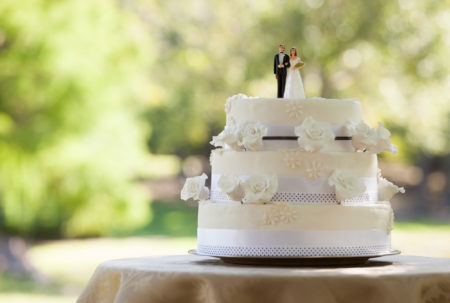
Why is There a Wedding Cake?
Having cake at a wedding is a tradition that dates back to ancient Rome. Back then, the cake represented fertility and was broken over the bride’s head to boost her fertility and give her good luck in bearing children. The broken pieces were eaten by the bride and groom and taken home by the guests for good luck.

What is the Significance of Cutting the Cake?
When the bride cuts the cake and shares the first slice with her groom, she is performing an ancient Roman custom. When couples married in antiquity, they committed all their possessions to their betrothal, including food. Sharing food, therefore, became a symbol of sharing your life with each other.

Why Do Brides Toss Their Bouquet?
Tossing the bridal bouquet originated in England hundreds of years ago. During this time, it was considered good luck to take something from the bride, so guests would pull and tug at the bride’s dress, nearly ripping it off her to get a piece. Throwing the bridal bouquet was a quick and efficient distraction that allowed the bride to make a quick escape with minimal damage to her gown. Today, the bouquet toss still has an element of good luck to it, as the first single woman who touches the tossed bouquet will be the next to fall in love and get married.

Why Do Grooms Toss the Bride’s Garter Belt?
Like the bridal bouquet, the bride’s garter was also considered lucky. Long ago in France and England, boisterous guests would make a game of trying to strip the bride of her garter. To avoid being accosted by a mob of people, the bride would take off her garter and throw it into the crowd for the guests to chase. Another garter-related custom involves the groom tossing it out of the wedding chamber as proof that the marriage was consummated. Today, the garter toss is a fun tradition in which the groom removes the bride’s garter and throws it to a group of single men; the one who catches it will soon be lucky in love.
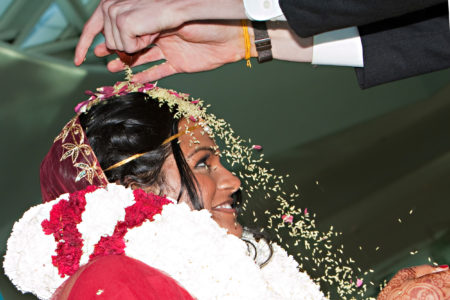
Why Is Rice Thrown on Newly Married Couples?
Throwing rice upon the newly married couple as they depart their wedding is a tradition that likely started in Victorian times. Rice and other grains have long been held as symbols of fertility and prosperity. Showering newlyweds with rice symbolized good luck for growing their family, harvests, and wealth. In place of rice, couples today are often showered with flower petals, bubbles, or birdseed to convey good luck wishes.

Why Do Church Bells Ring After Someone Gets Married?
The ringing of bells once a couple has “tied the knot” has Celtic origins and has since become an accepted custom and long-standing tradition in other cultures as well. The loud, ringing bells kept evil spirits away so they could not create harm or chaos on the happy couple’s wedding day. Bell-ringing was also used to announce to the town that a marriage had just taken place. Today, bells are still considered good luck for the bride and groom and are often seen in wedding decor, in bridesmaids’ bouquets, or as wedding gifts. In place of bells, honking car horns and other loud noises will also help ward off evil spirits.

Why Do Grooms Carry the Bride Over The Threshold?
The groom carrying his bride over the threshold of their new home has several different origin stories. This tradition evolved in ancient Rome because the bride loved her parents so much that she did not want to leave them, even after the wedding ceremony was over. Therefore, the groom carrying his bride over the threshold was the only way he could get her home. Other stories mention evil spirits lurking near the newly married couple’s home entrance, and if the bride trips upon entering the house for the first time, the spirits will enter with her and bring the couple bad luck. Another version of this story states that the soles of the bride’s feet are especially vulnerable to evil spirits. To ensure she doesn’t bring in evil spirits on the soles of her feet, the groom carries her over the threshold into their home.

Why Do Couples Go on a Honeymoon Right After Getting Married?
A firmly embedded and popular custom in American weddings is the honeymoon, which is also an old European tradition. The honeymoon’s purpose was to give the couple a chance to hide away for a while. Often, the groom wanted to hide his new wife so her family couldn’t find her, which they would try to do if she were a kidnapped bride! Also, according to Teutonic customs, the bride and groom ran away after their wedding to be in seclusion, where they drank a special concoction made of “honey” until the “moon” waned, which was about 30 days.
Now that you know the origins of common wedding traditions, you can make an educated decision on which ones to keep and which ones to toss to the side. For all your wedding floral needs, Flora D’Amore is the place to go.
